I take a small bag, gloves, water and a zip pouch for sharp bits on every hike so I can grab bottles and plastic without changing my route. I scan high-traffic spots, separate recyclables, and clip the bag to my pack for hands-free walking. I chat kindly with others and make it a tiny scavenger hunt for kids to include them. I report hazards to park staff and keep photos to inspire others if you want tips to do more.
Key Takeaways
- Start small: set a simple goal like collecting five plastic bottles on each hike to build a sustainable habit.
- Bring gloves, a lightweight clip-on bag, and a zippered pouch for sharp items to stay safe and efficient.
- Prioritize recyclable plastics, separate them from trash, and carry contents out if no bins are available.
- Model cleanup behavior and invite others with friendly conversation or a mini scavenger hunt for kids.
- Document collections with a photo, time, and location to inspire others while avoiding sensitive wildlife sites.
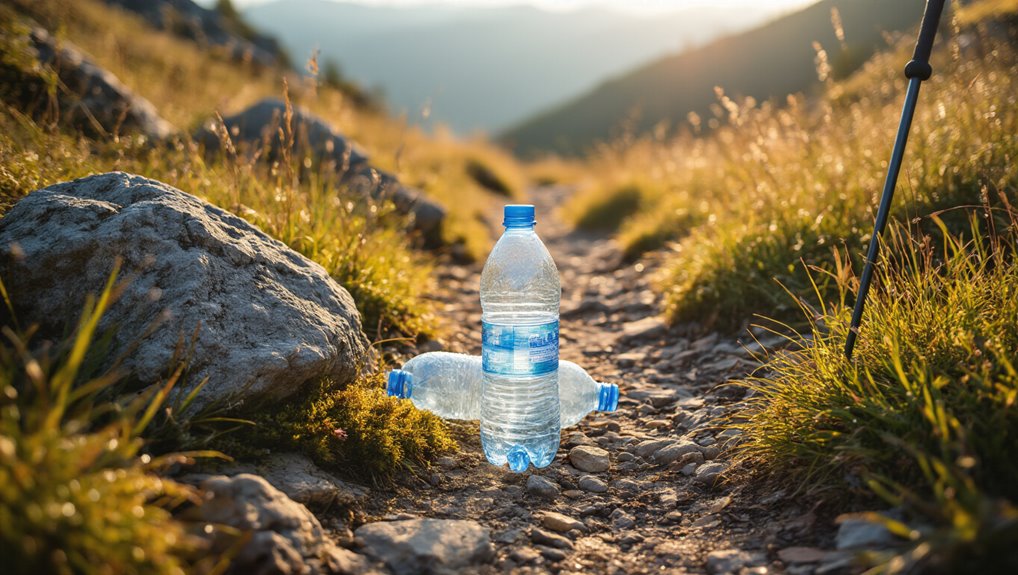
When I lace up my boots for a hike, I also grab a reusable bag and a pair of gloves—because picking up a few pieces of plastic along the trail is an easy way to protect the places we love. I want you to know this is simple to start and doesn’t require special training. A water bottle, a small bag, and basic awareness are enough to make a difference. I focus on safety, respect for wildlife, and leaving the trail better than I found it.
When I lace up, I grab a reusable bag and gloves—small acts, safe habits, cleaner trails for everyone.
I begin by setting a clear, achievable goal: pick up five items before turning back. That target keeps me attentive without turning the walk into a chore. I scan the path as I go, looking at edges where litter accumulates—trailheads, benches, and stream crossings. I use gloves to avoid direct contact, and I carry a zippered pouch for sharp bits like broken glass. If something looks hazardous beyond my kit, I note the location and report it to park staff rather than taking unnecessary risks.
I keep the process efficient. I reuse a lightweight bag that clips to my pack so it doesn’t get in the way. I separate recyclables from trash as best I can; bottles and cans go into one compartment, multi-layer plastics into another. When bins aren’t available at the trail end, I bring the contents home to dispose of properly. I also carry a small hand sanitizer and a wet wipe for quick cleanup afterward, and I wash my hands at the earliest opportunity.
I try to be mindful of other hikers. If I see someone drop something, I’ll pick it up and say a friendly word—simple social cues help normalize cleanup behavior. When families pass by, I encourage kids to join by making it a tiny scavenger hunt. That inclusivity turns a solitary effort into a shared habit.
I also respect private property and protected habitats; I avoid disturbing nests, trampling vegetation, or entering restricted areas just to retrieve an item.
I document and share my outings. A photo of the collected items and a short note about location and time helps park volunteers and can inspire friends. I’m careful not to post sensitive locations for rare species, but I do tag community cleanup groups when appropriate.
Over time, those small actions build momentum: trails look cleaner, wildlife encounters feel safer, and more people start carrying a bag.
You don’t need to overhaul your routine to help. Start with a bottle or a chip bag on your next hike. Small, consistent acts add up, and they welcome others to join without pressure.
Frequently Asked Questions
What Gear Keeps Collected Plastic From Smelling?
Think of a sealed treasure chest; I use airtight dry sacks or ziplocks plus odor-absorbing charcoal pouches and double-bag damp items. I’ll rinse, squeeze out water, and rotate bags so nothing festers on our shared walks.
Can I Compost Small Biodegradable Plastics Found on Trails?
Yes — I compost only certified biodegradable trail plastics when I can; I check labels, shred them, and use a hot backyard or commercial compost to ensure breakdown. Join me in verifying certification and composting correctly.
How Do I Report Hazardous Waste Encountered While Hiking?
Call local park authorities or emergency services immediately if the waste is dangerous; I’ll mark the location, keep a safe distance, warn others, and report details (photos, description) to rangers or the nonemergency number so professionals can respond.
Are There Apps to Log Cleanup Locations and Amounts?
Yes — I use apps like Clean Swell, Litterati, and iNaturalist to log locations and counts; they’re easy, motivating, and let you join others’ efforts, share data, and track impact so we can clean smarter together.
What Local Laws Affect Removing Litter From Public Land?
You’ll need to check trespass, park rules, and local litter ordinances; permits or liability waivers may be required, and protected species/sites restrict removal. I’ll help you find specific codes and secure permissions before you start.