I tried ditching single-use plastic for a week to spot daily friction, small wins, and realistic swaps for a busy household. I planned groceries, took jars and a canvas bag, and learned deli staff need reminders to wrap in paper. Beeswax wraps and silicone bags replaced cling film, though they change storage and cleaning habits. I chose relationships over rigidity at events and accepted a few cheats. Stick with me and you’ll pick up practical tactics and honest trade-offs.
Key Takeaways
- Plan meals and pack reusable containers and bags the night before to reduce impulse plastic purchases during a busy week.
- Bring a small, clean container and politely remind deli staff to wrap meats and cheeses in paper instead of plastic.
- Swap cling film and zip-top bags for beeswax wraps, silicone bags, or stacked dishes, accepting minor trade-offs in seal strength.
- Carry cutlery, a plate, and a cup to events and prioritize relationships when occasional plastic use is unavoidable.
- Share choices aloud while shopping to normalize behavior and spark quick conversations that can influence others positively.
Although I knew going plastic-free for a week would be a challenge, I wanted to test how realistic it’s for an ordinary person juggling work, errands, and family life. I started by inventorying my home: bottles, wrappers, containers—everyday items I’d barely noticed. That inventory felt like a brief audit of convenience versus consequence. I told myself this was an experiment, not a one-week virtue signal, so I’d observe patterns, note pain points, and look for practical swaps I could realistically maintain.
I treated a week without plastic as a practical experiment—inventorying everyday habits, spotting pain points, and seeking doable swaps.
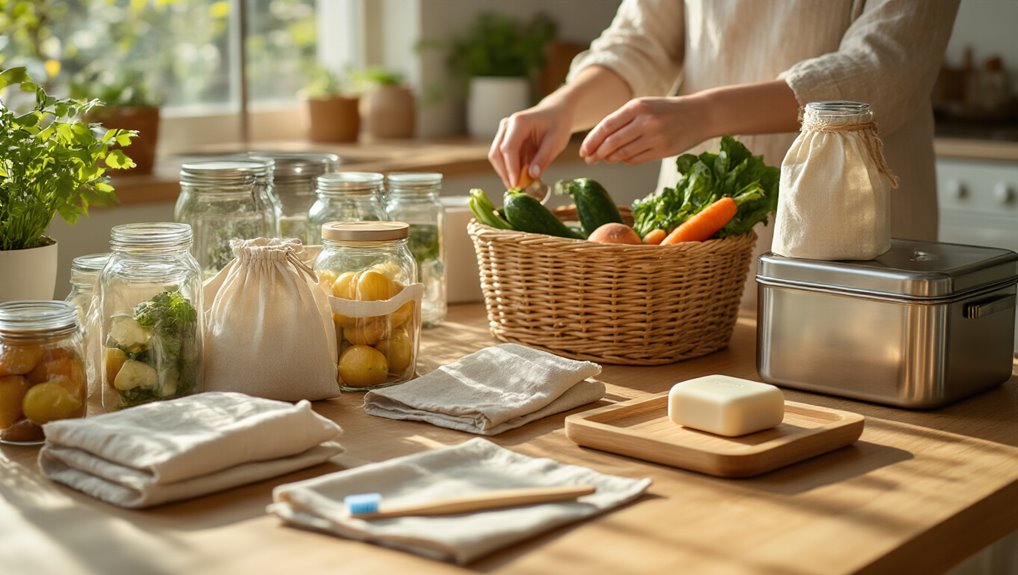
My first surprise was how much planning made the difference. At the grocery store I passed on prepackaged salads and opted for produce from the loose bins. It added a few minutes to selection and weighing, but saved five single-use bags. I brought my own canvas bag and glass jars, and people asked about them—those small conversations became my unexpected social data points. They showed me that choices are visible and sometimes contagious.
At the deli counter, I learned that asking for meat and cheese in paper wasn’t always seamless; a few staff members needed instructions, and one time I’d to remind them not to wrap in plastic. That hiccup taught me to carry a small, clean container and to be clear and calm when requesting alternatives.
Meal prep at home revealed where plastic had insinuated itself: cling film, zip-top bags, and pre-portioned snacks. I experimented with beeswax wraps and silicone bags. The beeswax wraps didn’t seal like plastic, so I changed how I stored leftovers—using stacked plates and bowls more, which reduced reliance on single-use film. Silicone bags worked well for marinating and freezing, but I noticed they require a different cleaning rhythm. That was an operational insight: sustainable swaps often shift work rather than eliminate it.
On the transport and hygiene front, toiletries were revealing. My shampoo bar lasted longer than expected, but I missed the convenience of pump bottles for hand soap while juggling a toddler. I found a refill station nearby for cleaning products, which cut plastic waste and saved money—an encouraging discovery that felt replicable.
Social situations proved tricky. Packaged birthday cupcakes and disposable cutlery at a family event tested my resolve. I prioritized relationships over perfection, accepting occasional exceptions while mentally noting alternatives for next time—bringing a cake on a reusable platter or offering compostable utensils.
Frequently Asked Questions
How Did You Handle Unexpected Food Packaging at Social Events?
I asked hosts politely about ingredients and packaging, declined single-use items, and offered my reusable containers or utensils; I investigated alternatives, empathized with limited options, and adapted while explaining my choices so others felt included.
Did Your Energy Bills Change During the Trial Week?
Yes — my energy bills dipped slightly. Like detective work, I tracked usage hourly, adjusted heating and cooking habits, and empathized with the inconvenience; the result: modest savings and clearer insight into where energy slipped away.
How Did You Manage Personal Care Items Like Floss or Makeup?
I used biodegradable floss and refillable makeup pods, testing brands and noting performance; I’ll tell you what worked, what irritated my skin, and where costs and convenience made me compromise so you can make informed choices.
Were There Any Health or Hygiene Trade-Offs You Noticed?
Did I notice trade-offs? Yes—I sometimes missed convenience and felt minor irritation switching floss and non-plastic makeup; I investigated ingredients, adjusted routines, and empathize with the hassle, but hygiene stayed fine after learning better techniques.
What Did Guests or Roommates Think About Your Experiment?
They were curious and skeptical; some admired my effort while others worried about inconvenience. I asked questions, noted practical concerns, and adjusted tactics, so guests felt heard and I learned which swaps were social win-or-fail moments.